


- This event has passed.
Transformed by Revolution
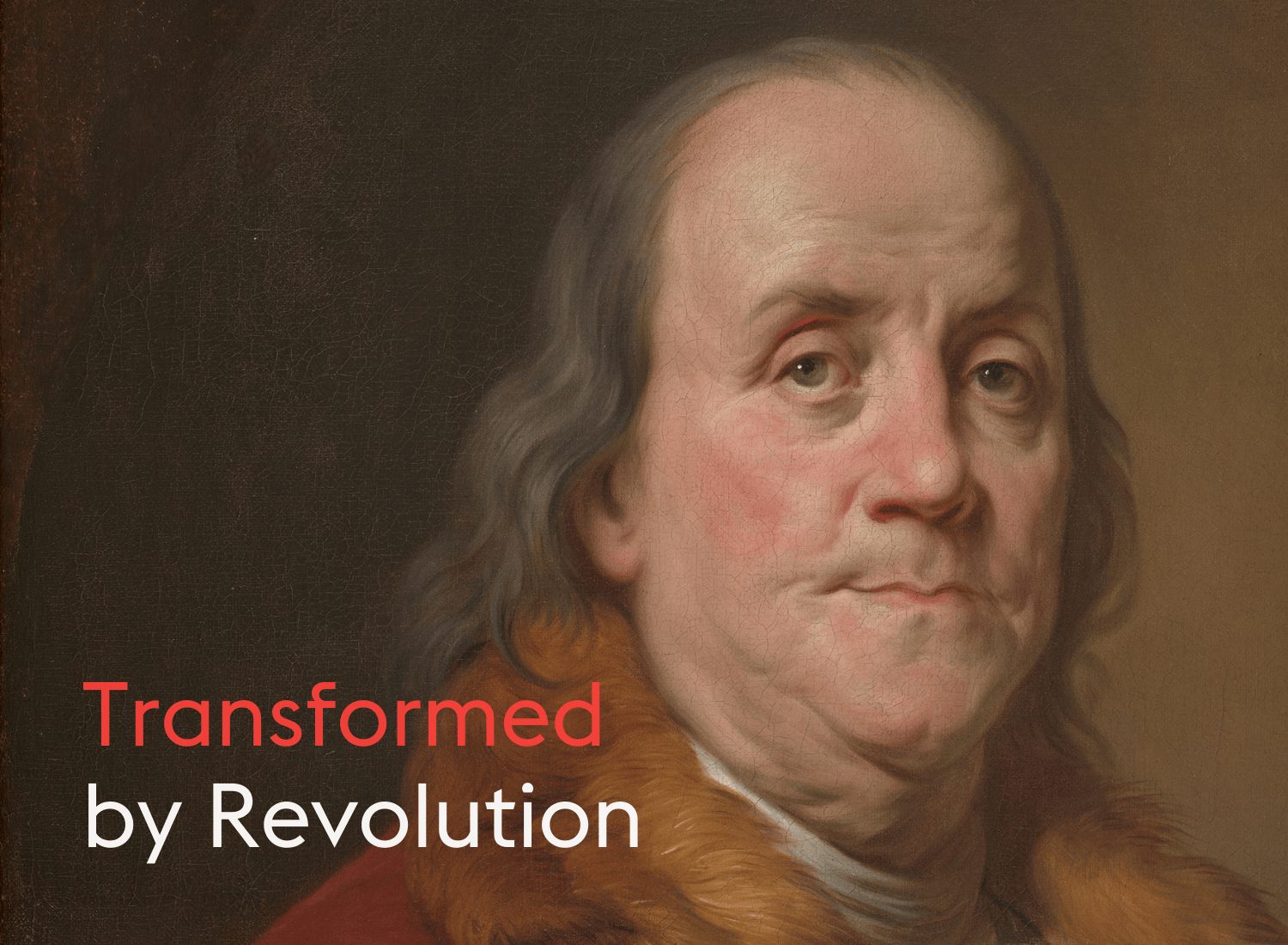
October 3, 2025 – February 22, 2026
Join Curator talks at 11:00 am and 2:00 pm on October 3. Free with admission.
While Concord’s role in the start of the American Revolution is widely recognized, less well known are the continued experiences of disruption and turmoil in Concord throughout the war. What was it like to be part of this war-time community? Who participated in this fight for Independence and what did freedom and Independence mean to different people? When the war ended, how did local communities develop as part of a fragile new nation?
Through eyewitness historical objects, artworks, and documents, Transformed by Revolution explores what it was like to be part of this war-time community that hosted Harvard College and became a hub of military supplies for the army in Boston. The exhibition also considers who participated in this fight for Independence and the meanings of freedom for women, the Black community, and sovereign Indigenous nations. These stories are traced through the end of the war and into the years of the early Republic to explore shifting ideas about community, belonging, and what it meant to be part of the new nation.
Visitors will see:
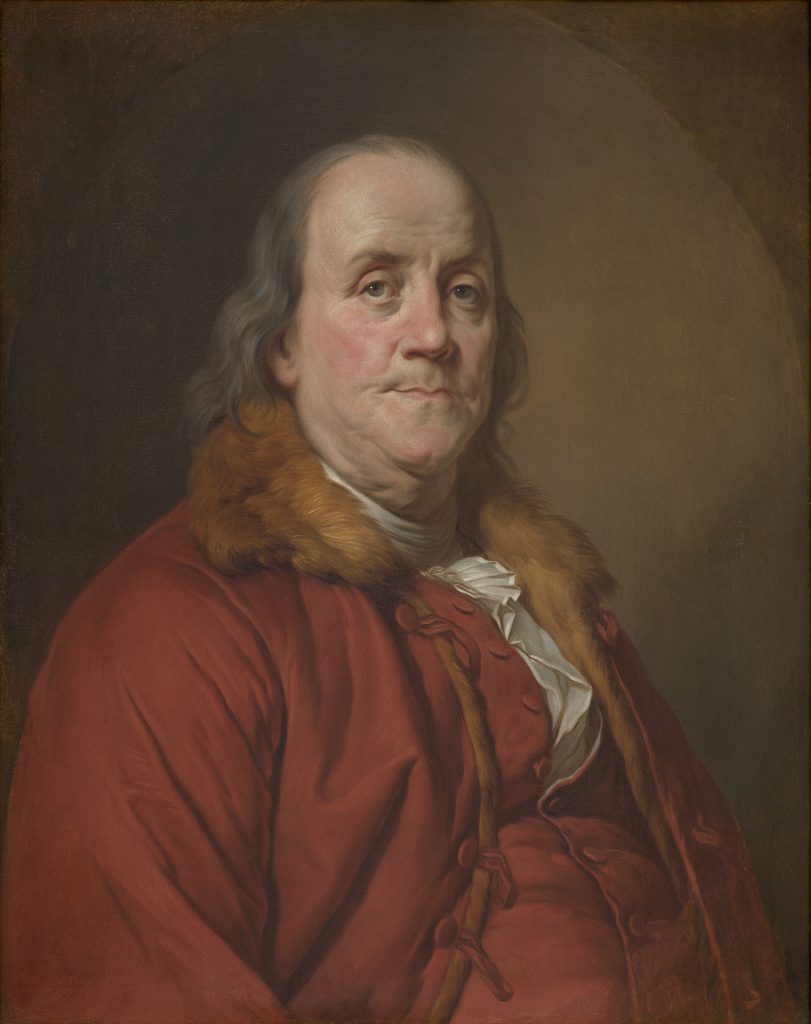
- A rarely exhibited portrait of Benjamin Franklin by Joseph Siffred Duplessis (which inspired the image on the $100 bill), the most accurate timepiece in America in the 1760s, and a portrait painted by John Singleton Copley of Harvard Professor John Winthrop that illustrate how the war-time relocation of Harvard College to Concord (1775-1776) briefly connected the small town to the most cutting-edge science in the world.
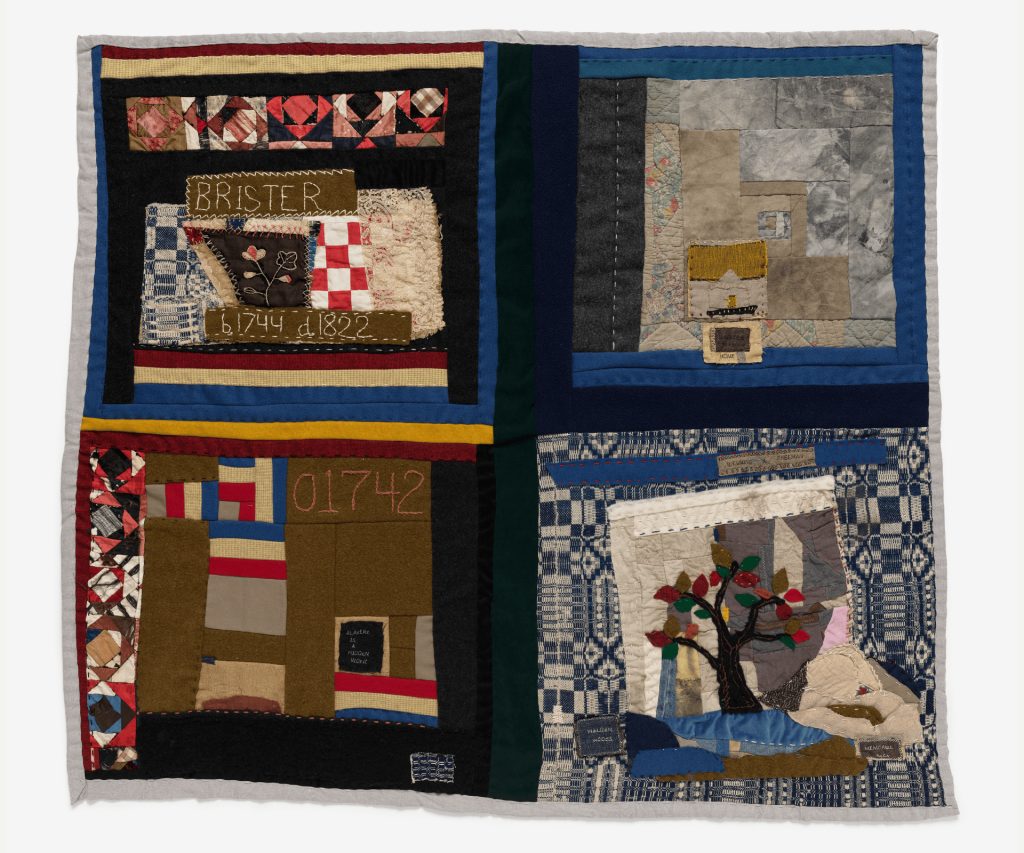
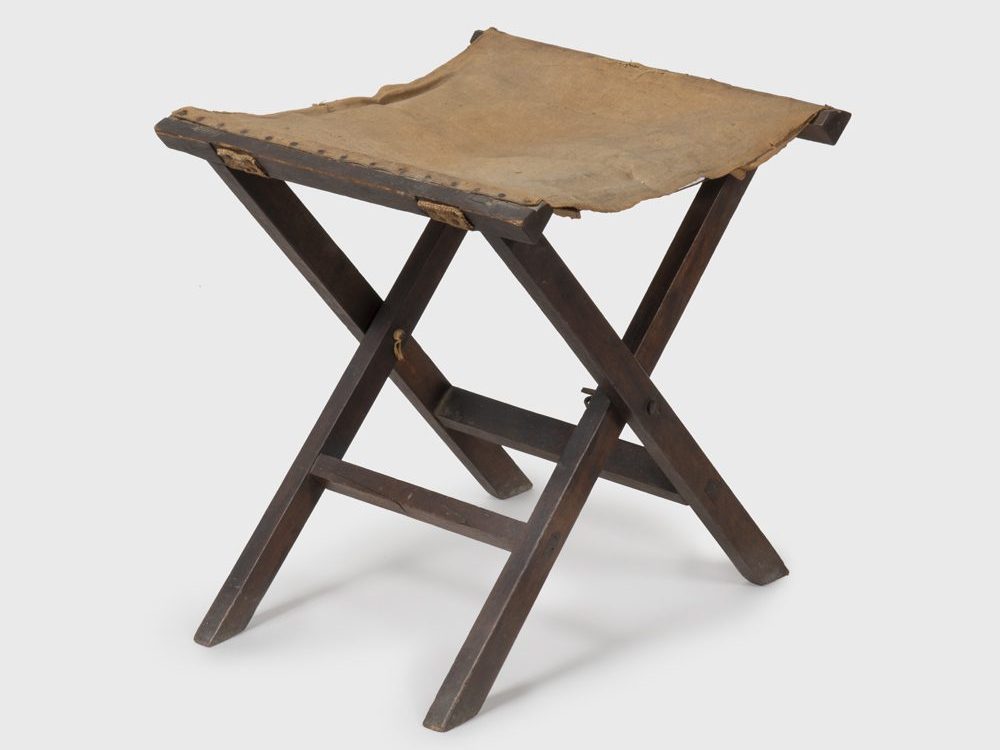
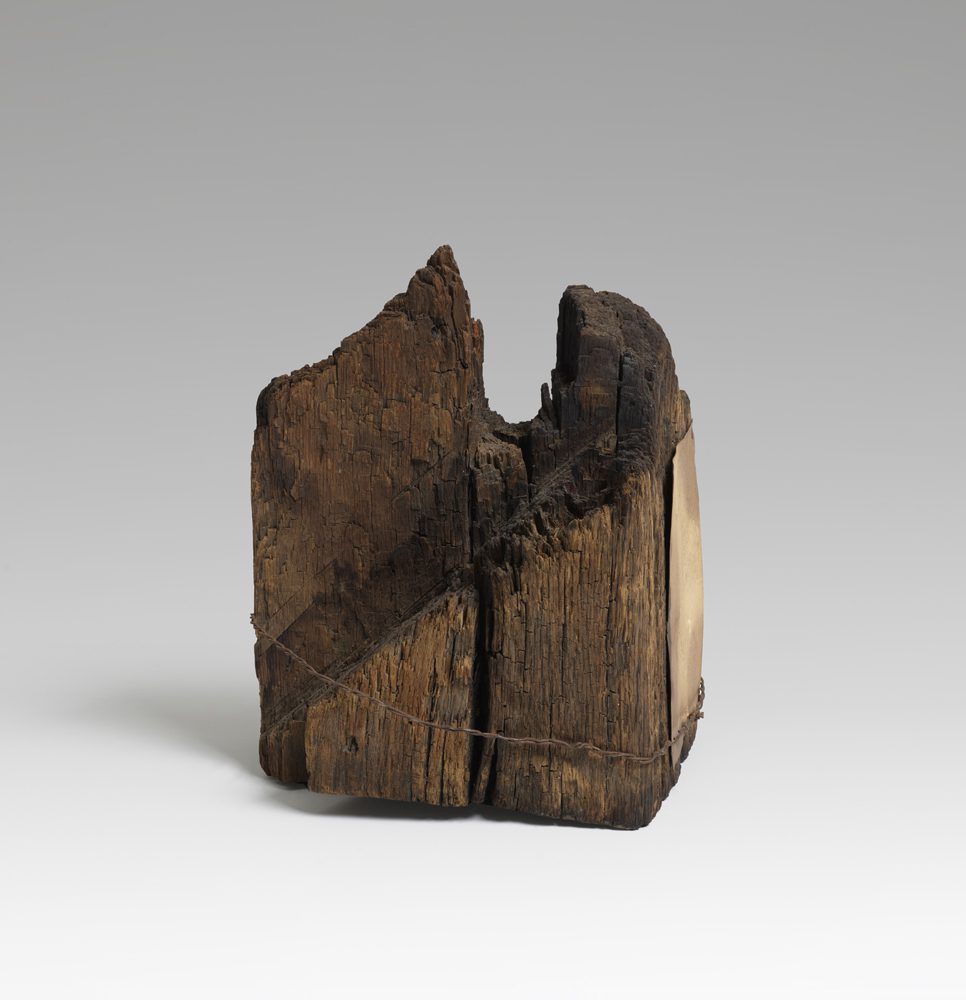
- A story quilt entitled Cumming A Freeman by contemporary artist Sharon Chandler, a fragment of the North Bridge, and a military camp stool captured at Saratoga will invite visitors to consider the development of a free Black community in Concord.
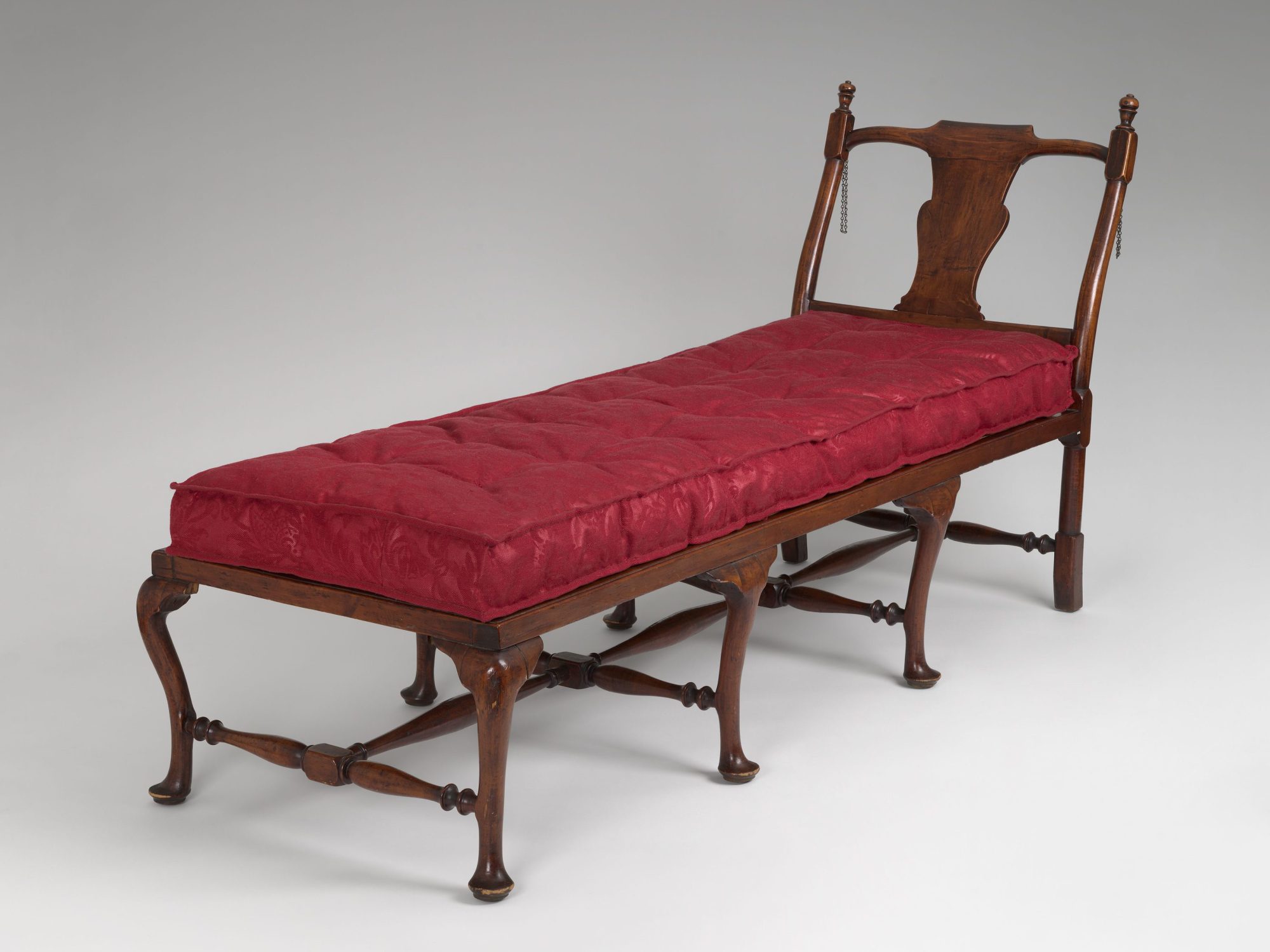
- Historic clothing, furniture, and domestic objects illuminate the experiences of women and community building in the new Republic.
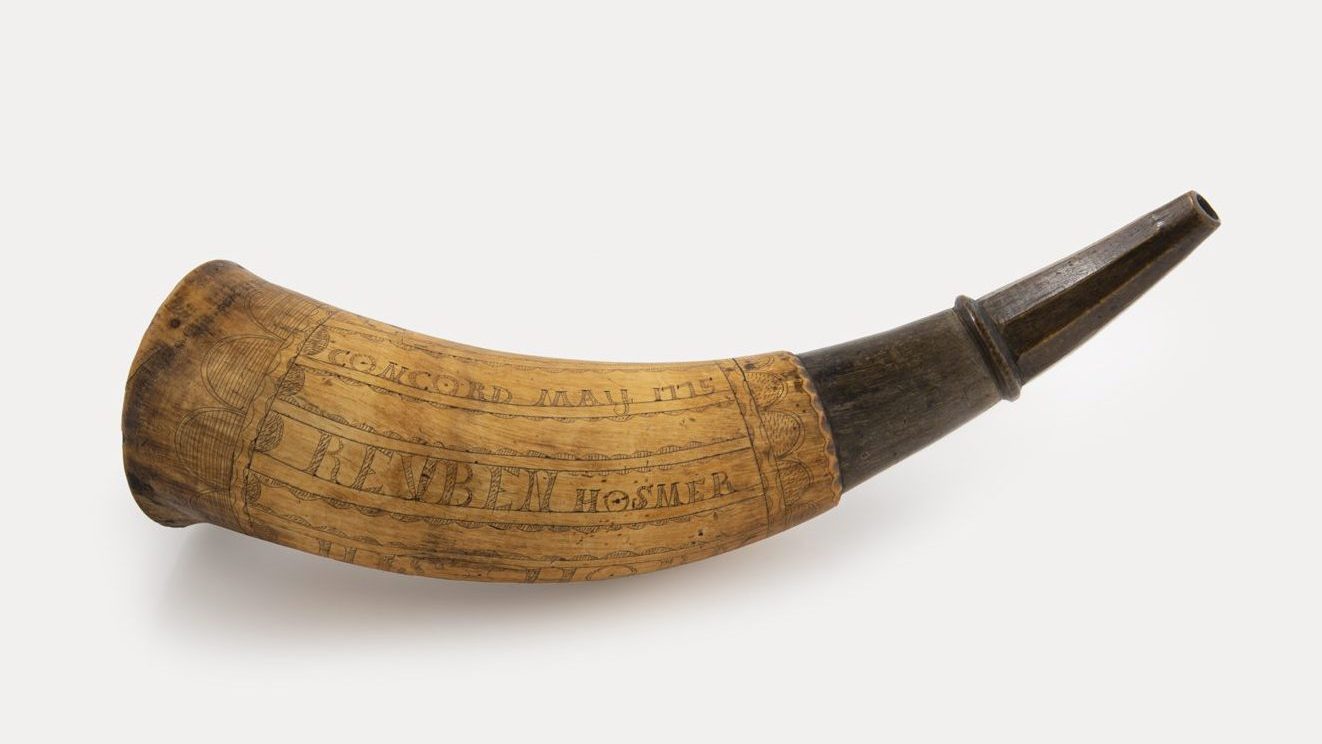
- A musket, an engraved powder horn, and original documents that illustrate how Concord served as a military hub, supplying the 15-20,000 soldiers surrounding the British Army trapped in Boston.
Featured Objects
Images:
Benjamin Franklin by Joseph Siffred Duplessis, 1778. Private Collection.
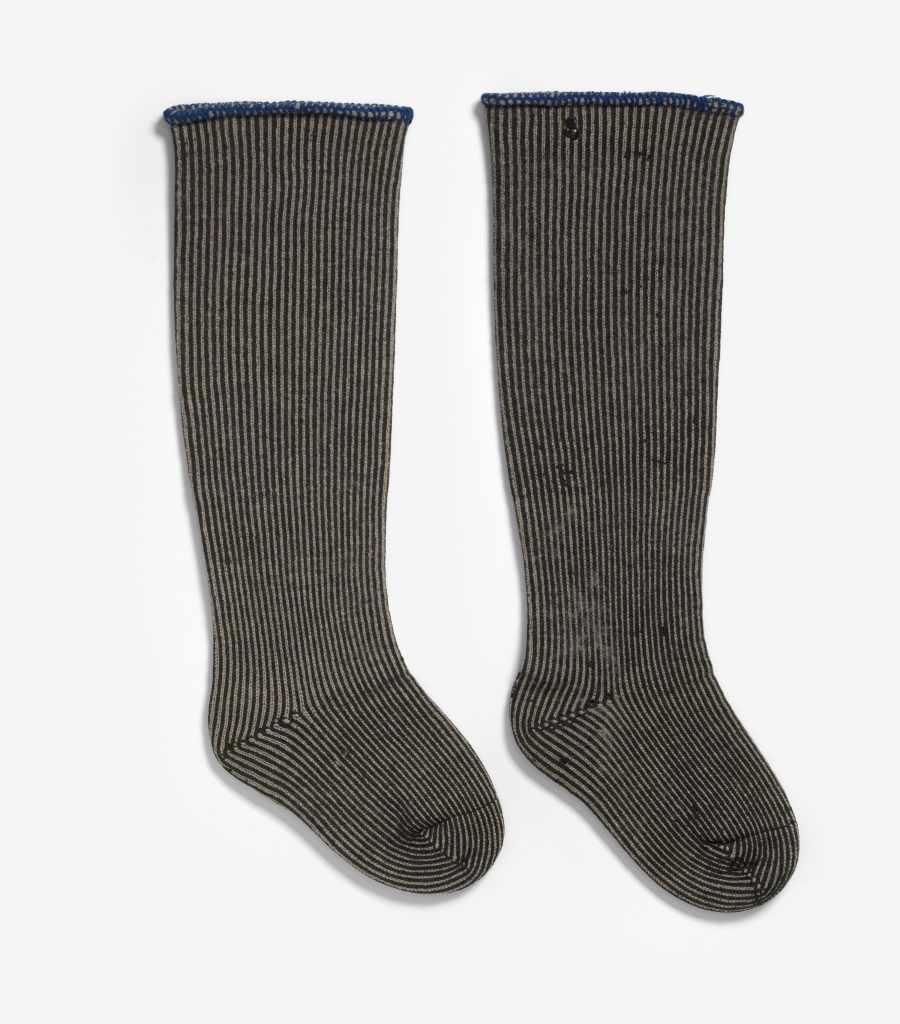
Stockings, unknown maker, New England, 18th century. Concord Museum Collection; Per2111.1-.2.
B. Cuming a Freeman by Sharon Chandler, Groton, Massachusetts, 2025, Collection of the Artist. Copyright Sharon Chandler, image courtesy of the Concord Museum.
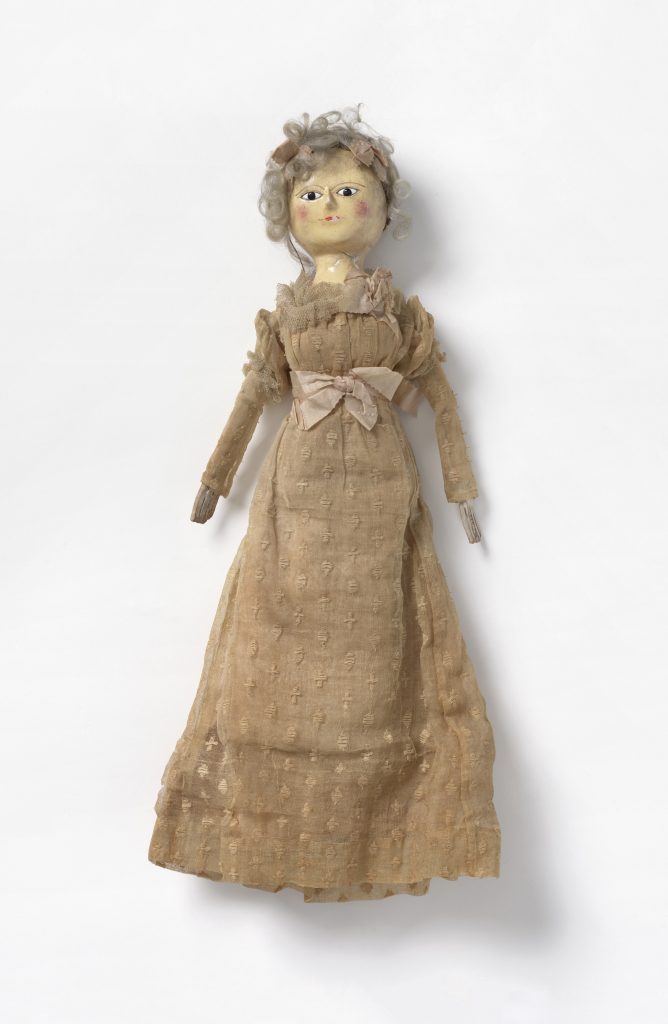
Doll, unknown maker, England, 1770-1805. Concord Museum Collection; Per1168.
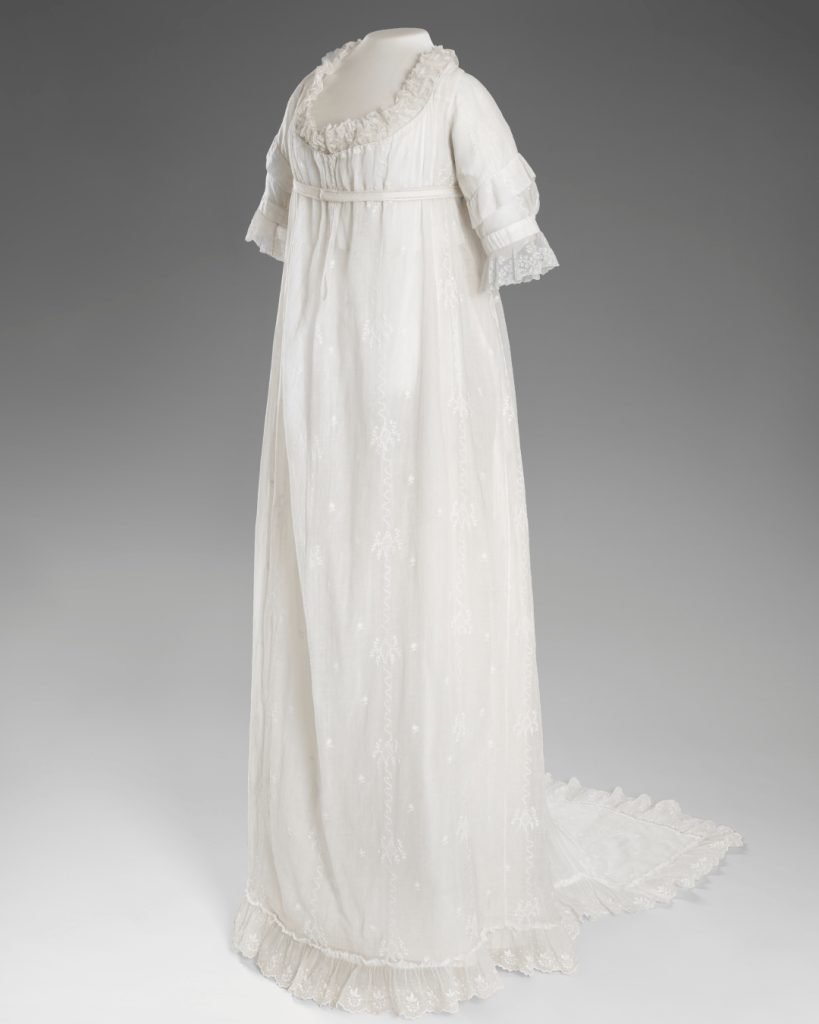
Embroidered Gown, unknown maker, India and America, 1798-1805. Concord Museum Collection; Gift of Mrs. Eleanor Hosmer Friedman; Cos64.14. Image courtesy of the Concord Museum.
Camp Stool, Unknown Maker, England, 1765-1770. Concord Museum Collection, Gift of Cummings E. Davis; F2075.
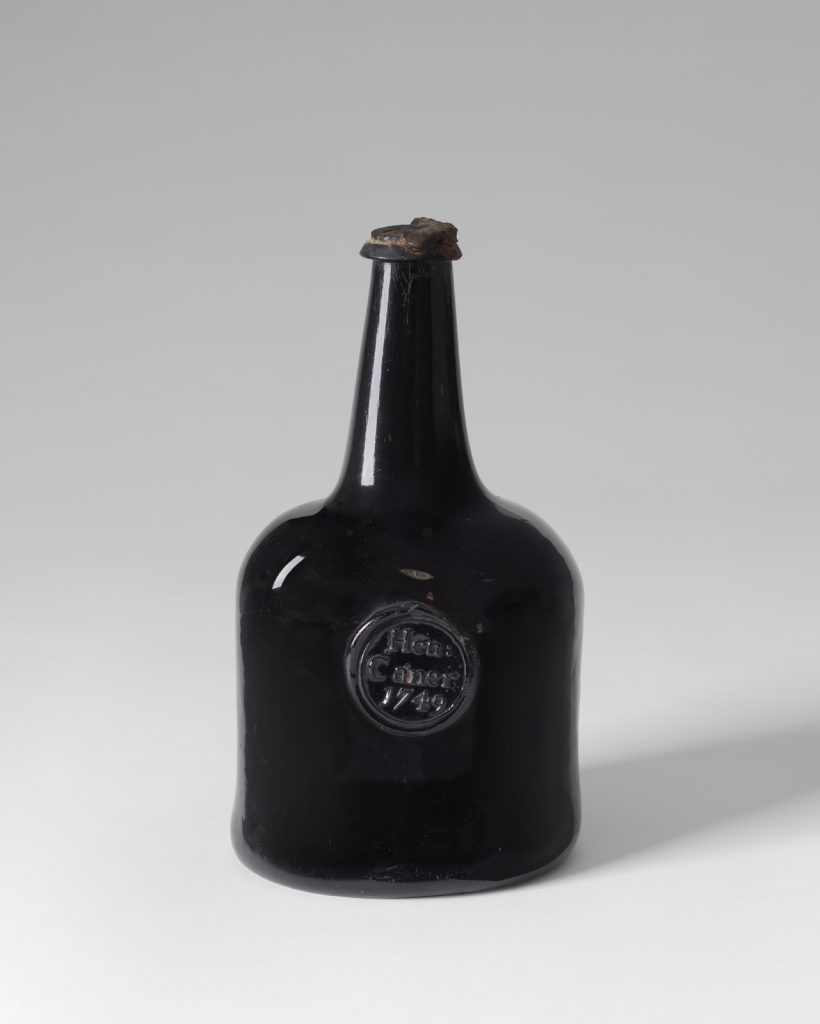
Wine Bottle of Henry Caner, England, 1749. Concord Museum Collection, Gift of Cummings E. Davis; G179.
Beam End from the North Bridge, Concord, MA, 1760-1776. Concord Museum, Gift of Hon. John S. Keyes; M411.
Couch, attributed to Joseph Hosmer, Concord, MA, about 1765. Concord Museum Collection, Gift of Caroline Dinsmore; 2015.8.
Powder Horn of Reuben Hosmer, New Hampshire, May 1775. Concord Museum Collection, Gift of Mrs. Edward Motley; A2003.1.
This exhibition is made possible, in part, by the National Endowment for the Humanities; the Decorative Arts Trust; the Massachusetts Office of Travel and Tourism; the Americana Foundation; the Freedom’s Way National Heritage Area, and the ‘Quin House Impact Fund. Supported by WBUR.


